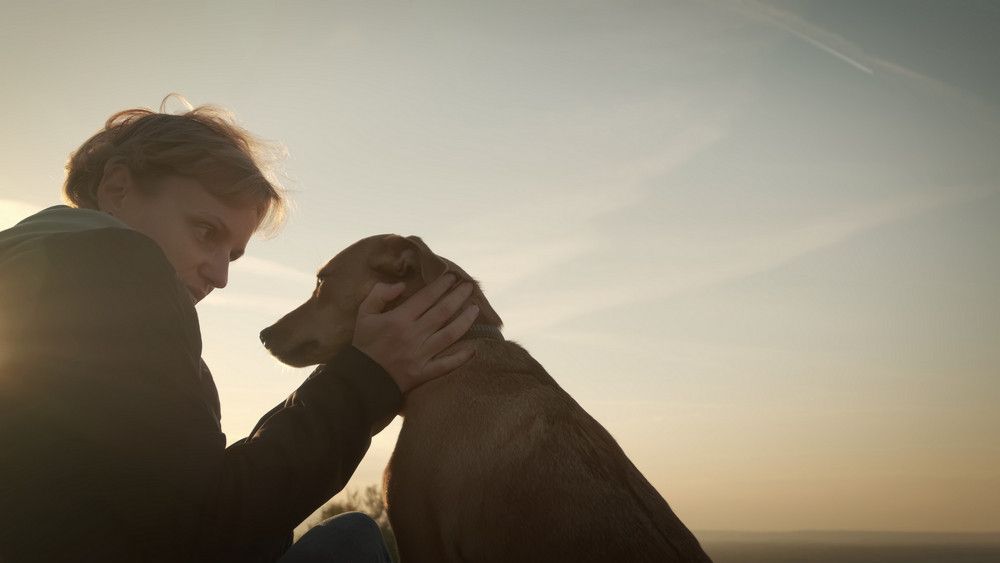
Making Peace With the Decision of Putting a Pet Down

Highlights
- Choosing euthanasia can be one of the most painful decisions a pet owner faces, especially when love, hope, and concern for suffering pull in different directions.
- Guilt does not necessarily mean you made the wrong choice; it often reflects how deeply you cared about your companion.
- Focusing on quality of life, veterinary guidance, and comfort can help you make a compassionate end-of-life decision.
- Planning memorial and aftercare details in advance can reduce stress and create space to grieve.
Few decisions feel as emotionally heavy as deciding when a beloved pet’s suffering has become too great. Even when a veterinarian explains that euthanasia may be the kindest option, many owners question themselves about putting a pet down. They may wonder whether they waited too long, acted too soon, or could have tried one more treatment.
Those thoughts are normal. The bond you share with an animal can make saying goodbye feel impossible. Making peace with the decision does not mean feeling happy about it or eliminating grief. It means recognizing that sometimes love involves choosing comfort over continued suffering.
Understanding the Emotional Weight of the Decision
Putting a pet down can bring several emotions at once: sadness, fear, guilt, anger, relief, and uncertainty. None automatically means you are making the wrong choice.
According to the National Library of Medicine, 43% of companion animal owners surveyed had experience with companion animal euthanasia. The same research examined how owners coped afterward, finding that many mourned privately or sought support from family and friends.
Recognizing that other pet owners have faced similar circumstances can provide comfort. You are not failing your pet because the decision hurts. The pain often exists because the relationship matters so much.
Focusing on Quality of Life
A helpful way to approach the decision is to shift the question from “Can I let my pet go?” to “What is my pet experiencing right now?” Quality of life provides a more compassionate framework than focusing only on how much more time might be possible.
Consider changes such as:
- Persistent or uncontrolled pain
- Difficulty breathing, eating, drinking, walking, or using the bathroom
- Significant confusion, anxiety, or inability to rest comfortably
- More difficult days than comfortable or enjoyable days
Your veterinarian can help you understand what these changes mean and whether treatment, pain management, or supportive care could improve comfort. There is rarely a single perfect moment that makes the answer obvious. The decision often comes from looking honestly at the overall pattern and considering whether putting a pet down may be the kindest option.
Separating Guilt From Responsibility
Guilt is common around end-of-life decisions. You may think, “What if I am giving up?” or “What if there is another option?” These questions can become especially intense when putting a pet down.
Remember that choosing euthanasia under appropriate veterinary guidance is not the same as abandoning your pet. It can be an act of responsibility when the focus is on preventing unnecessary suffering.
Distinguish between what you can control and what you cannot. You can seek medical advice, ask questions, monitor symptoms, and advocate for comfort. You cannot control aging, terminal illness, or every change in your companion’s health.
If guilt becomes overwhelming, write down the reasons behind your decision, including symptoms, veterinary recommendations, treatments attempted, and changes you observed. Reviewing those facts can help counter self-doubt.
Giving Yourself Permission to Grieve
Grief after losing a pet is real grief. Your companion may have been part of your daily routine, family life, and emotional support for years. Ordinary moments—opening the food container, hearing a familiar collar, or coming home to an empty space—can suddenly feel painful.
Some people cry immediately, while others feel numb and process the loss later. You may find comfort in talking with someone who understands the importance of animals in your life. Others prefer privacy, journaling, prayer, photographs, or creating a memorial.
Planning Ahead Can Ease the Burden
When possible, discussing end-of-life and aftercare preferences before a crisis can make a difficult day more manageable. Planning lets you consider practical details while you still have time to think clearly, rather than making every decision in the heat of intense emotions.
Families may want to discuss who will be present, how they want to say goodbye, and what they would like to do with their pet’s remains.
Happy Trails Pet Crematory understands that aftercare is more than a logistical task. It is part of honoring a companion and creating a meaningful way to remember the relationship you shared.
Creating a Meaningful Goodbye
A goodbye does not have to be elaborate to be meaningful. You might bring a favorite blanket or toy, spend quiet time together, take photographs, or simply talk to your pet.
Afterward, a memorial can become part of the act of remembering. Some people keep photographs, paw prints, collars, or tags. Others create a small memorial space, plant something in their pet’s honor, or share stories with friends and family.
Finding Peace With Your Decision
Making peace with the decision does not require believing that euthanasia was easy. It means recognizing the compassion behind the choice. If your pet was suffering that could no longer be adequately relieved, choosing a peaceful end may have spared them further pain.
When doubts surface, return to the facts. Remember the symptoms you observed, the conversations you had with your veterinarian, and the quality of life you were trying to protect. Remind yourself that you made the best decision you could with the information available at the time.
Happy Trails Pet Crematory is here to support families as they navigate the practical side of saying goodbye. Taking time to plan ahead can help you focus less on logistics and more on the memories that made your pet special.
Moving Forward With Compassion
Losing a pet is painful because the relationship was meaningful. If you are facing this decision, give yourself permission to ask questions, feel uncertain, and grieve. Your goal is not to make the loss painless; it is to make the most compassionate decision possible for your companion.
If you are considering putting a pet down or preparing for future end-of-life needs, discuss your options with your veterinarian and explore aftercare planning. Happy Trails Pet Crematory can help you prepare for the practical details and create a thoughtful farewell that honors your pet’s life.
Frequently Asked Questions
Look at your pet’s overall quality of life, including pain, mobility, appetite, breathing, hygiene, behavior, and ability to enjoy normal activities. Discuss meaningful changes with your veterinarian and consider whether difficult days consistently outweigh comfortable ones.
Remind yourself that grief and guilt are common after euthanasia and do not prove that you made the wrong choice. Review the medical facts, your pet’s quality of life, and the veterinary guidance that informed your decision. Support from family, friends, or a pet-loss counselor may also help.
Happy Trails Pet Crematory provides pet cremation and aftercare support to help families handle the practical details of saying goodbye. Planning ahead can make those decisions easier and give you more time to focus on honoring your companion.
Recent Posts