Losing a pet is one of the hardest things a person can go through. For so many of us, they aren’t “just” a pet. They’re family: the one who greets you at the door, keeps you company on quiet evenings, and loves you unconditionally. When that presence is suddenly gone, the grief can feel enormous, and hard to explain to people who haven’t felt it.
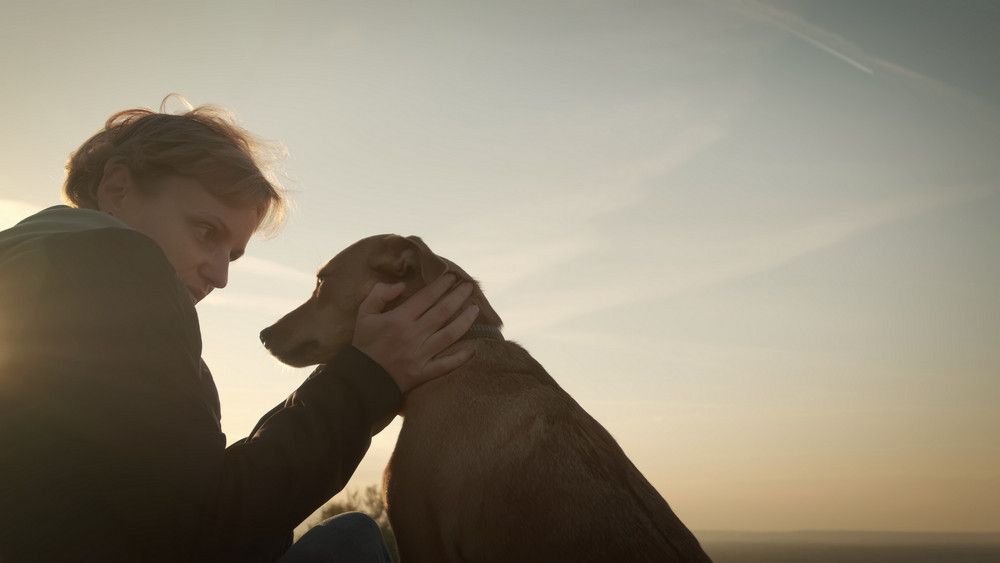
If you’re reading this in the middle of that loss, we want you to know something first: what you’re feeling makes sense. The sadness, the loneliness, the sense that the house has gone quiet in a way you can’t describe are all natural responses to losing someone you love.
Every grief journey is different, but knowing what to expect and how to take care of yourself along the way can make the path feel a little less lonely.
Why Pet Loss Can Feel So Profound
Pets are woven into the smallest parts of our days. They’re there for the morning routine, the walk after work, the late-night couch time. Because they’re such a constant presence, their absence leaves a very tangible void.
The American Veterinary Medical Association notes that the bond between people and animals can meaningfully improve emotional well-being and quality of life, which helps explain why losing that bond hurts so much. Many people describe pet grief as similar to losing a close friend or family member.
Often, you’re grieving more than just your pet. You’re also grieving the routines, the small comforts, and the version of your day that included them.
What Grief After Pet Loss Can Look Like
Grief rarely moves in a straight line. Some days feel manageable. Others bring waves of emotion out of nowhere. That’s normal, and it doesn’t mean you’re “doing it wrong.”
Common Emotions After Losing a Pet
You might feel:
- Sadness and deep sorrow
- Guilt, or second-guessing decisions you made
- Anger or frustration
- Loneliness
- Anxiety about the future
- Relief, if your pet had been sick or suffering, and sometimes guilt about feeling relieved
These feelings can show up one at a time or all at once. There is no correct way to grieve, and no set timeline for healing.
Grief Is Personal
Some people begin to feel steadier within weeks. Others need months, or longer. Comparing your grief to someone else’s tends to make it heavier. You’re allowed to grieve at your own pace, in your own way.
Gentle Ways to Cope With Pet Loss
There’s no way to “fix” grief, but there are ways to carry it with a little more support.
Let Yourself Feel It
Holding grief in usually makes it harder to move through. Give yourself permission to cry, talk about your pet, or simply sit with the feeling for a while. The American Psychological Association identifies expressing emotions and leaning on social support as important parts of
coping with the loss of a beloved pet, and talking with people you trust, whether friends, family, or a support group, can help you feel understood.
Create a Memorial That Feels Like Them
Many families find comfort in a tribute that celebrates their pet’s life. That might be:
- Framed photographs
- A memory box
- A scrapbook
- A personalized keepsake, such as a paw print, fur clipping, urn, or jewelry
- A tree or garden planted in their honor
These small, tangible things can honor their memory and the connection you shared.
Keep a Few Routines Steady
When your days suddenly feel unfamiliar, simple structure can help: regular meals, movement, and enough sleep. Grief takes a toll on both your mind and your body, and looking after the basics gives you a little more strength to carry the rest.
Supporting Children Through Pet Loss
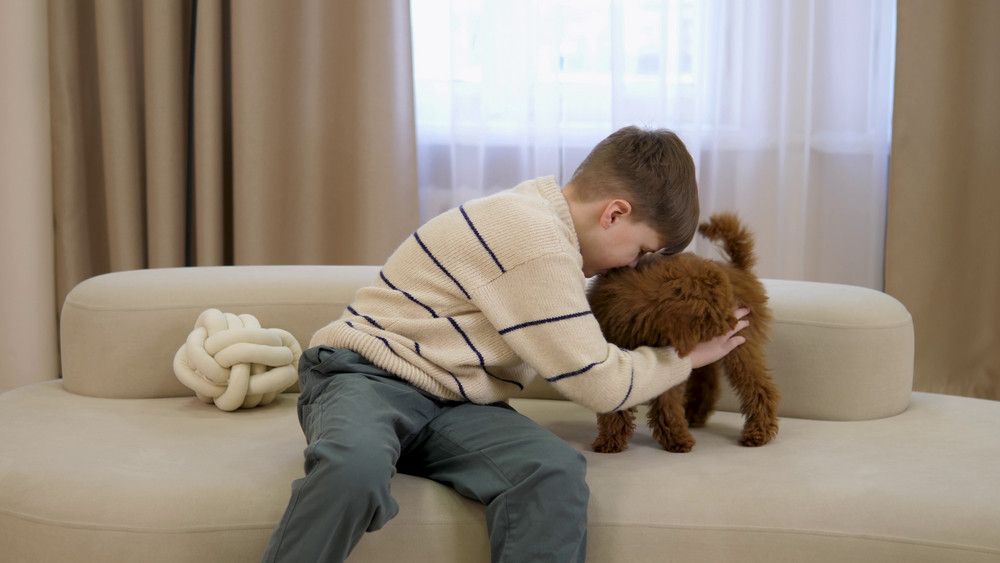
For many children, a pet’s death is their first experience with loss. Being honest, in words that fit their age, goes a long way. Invite their questions, let them share how they feel, and consider reading books about pet loss, drawing pictures, or making a memory project together.
The American Academy of Child & Adolescent Psychiatry explains that children do best when adults communicate honestly and offer emotional support around death and loss. Helping a child see that grief is a natural response to love can give them an emotional skill that lasts a lifetime.
You Don’t Have to Grieve Alone
One of the hardest parts of pet loss is feeling like no one else understands. Connecting with people who’ve been through it can be a real comfort. Many pet owners find help in grief support groups, online communities, counseling, and resources created specifically for pet bereavement.
If your grief feels like too much to carry, or it’s getting in the way of sleep, work, or daily life for an extended time, reaching out to a counselor or your doctor is a reasonable and caring step to take for yourself.
Honoring Your Pet’s Legacy
The pain of losing a pet may never disappear entirely, but many people eventually find comfort in celebrating the life their pet lived, rather than focusing only on the loss.
You might honor them by volunteering at an animal shelter, donating to a rescue, sharing your favorite stories, or starting a small tradition that keeps their spirit close. For many families, the goal isn’t to “move on” from their pet. It’s to move forward while carrying them with you.
We’re Here, Whenever You’re Ready
Grief is a reflection of love, and what you’re feeling is a measure of the bond you shared. By allowing yourself to grieve, leaning on others, and finding meaningful ways to remember your pet, healing can slowly become possible.
If you’re facing the loss of a companion, Happy Trails Pet Crematory is here to help with the details. We offer pickup from your home, private cremation with a tracked identification process from start to finish, and keepsake options presented with patience, never pressure. You don’t have to decide anything before you’re ready.
Reach out whenever you’d like.